
Polyester is a popular clothing fabric that is used in clothing, home textiles, and a variety of other applications. It’s known for being durable, easy-care, and affordable, but how resilient is it? Many people wonder if polyester is stretchy. The answer is not as simple as a simple “yes” or “no”. Polyester, depending on its exact composition, construction, and treatment, can be stretchy or not. In this article, we’ll look at polyester’s properties and answer the question, “Is polyester stretchy?”
What is polyester?
Polyester is a synthetic fabric made from petroleum-based fibers. It was created in the 1940s and quickly gained popularity due to its durability, wrinkle resistance, and low cost. Polyester is also commonly used in clothing, but it is also used in other products such as rugs, bedding, and upholstery due to its properties. At the same time, it is also resistant to shrinkage and fading. This is also a favorite fabric for providers of print-on-demand products. Its printing effect is the best in most fabrics.
Is polyester stretchy?
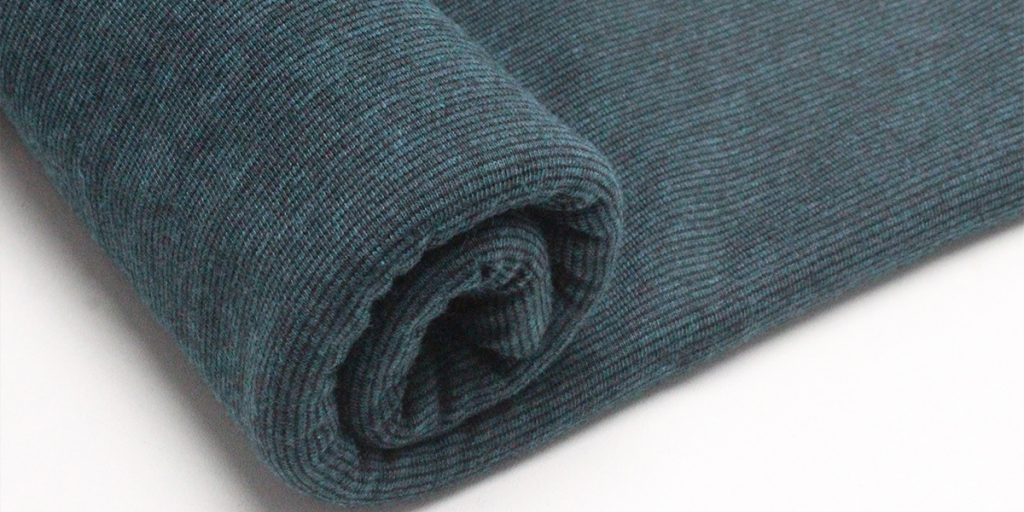
100% polyester fabric is non-elastic. Therefore, clothes made of polyester fabrics generally have a smooth surface. Because polyester is not known for its elasticity. More fabric manufacturers are making polyester fabric stretchy by blending it with other fibers, such as polyester blends, which we will discuss later. This blend is often used in activewear and other garments that require flexibility and freedom of movement.
Why doesn’t 100% polyester have any natural stretch?
Polyester is a synthetic fiber made from petroleum-derived chemicals—primarily polyethylene terephthalate (PET). It’s actually the exact same material commonly used to make plastic water bottles.
Because of its plastic base, 100% pure polyester is fundamentally designed to hold its shape, resist wrinkles, offer durability, and prevent shrinkage, rather than to be stretchy. Therefore, if you check the care label on a woven shirt or windbreaker and it says “100% Polyester,” it will have almost zero stretch to it.
What gives polyester its stretch?
Even though the base material doesn’t have any natural stretch, manufacturers can make it highly flexible using three main methods:
1. Fabric construction: Knit vs. Woven
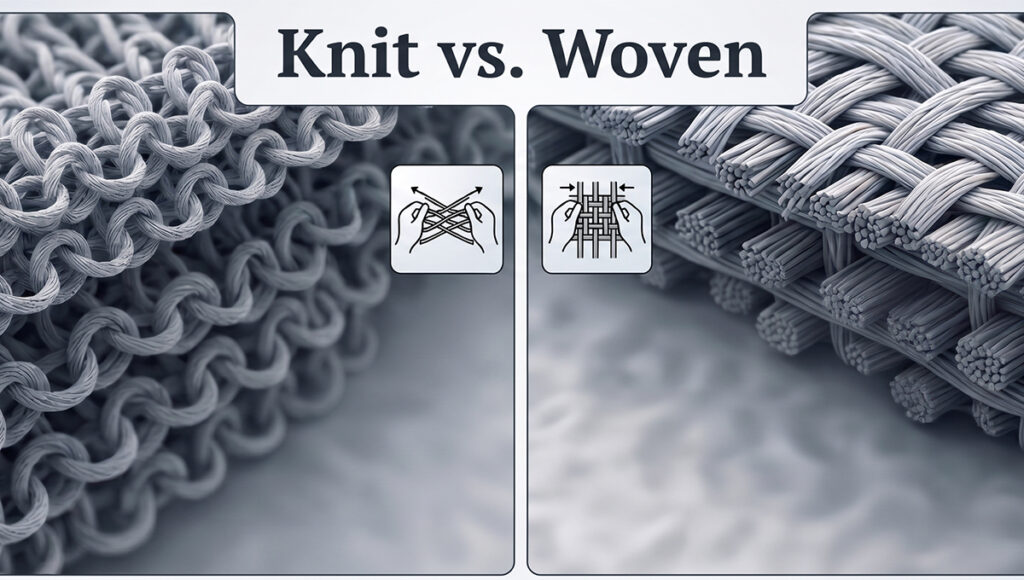
The physical structure of a fabric often dictates its stretchiness just as much as what it’s made of.
Knit polyester: Knits are made using interlocking loops of yarn (think of a chain-link fence). When you pull on a knit fabric, these loops slide, expand, and change shape, giving the material a natural, physical stretch. This is the structure used for most t-shirts and athletic jerseys.
Woven polyester: Wovens are made with yarns tightly interlaced in a crisscross pattern (like a window screen). Unless stretchy fibers are blended in, this rigid grid structure has practically zero stretch.
2. Blending
The most common way to give polyester serious stretch is by blending it with highly elastic fibers—the most famous being spandex (also known as elastane).
Adding even just 2% to 5% spandex can instantly transform rigid polyester into a highly stretchy fabric. This blend snaps right back to its original shape after being stretched, making it the go-to material for yoga pants, compression activewear, and swimsuits.
3. Mechanical stretch
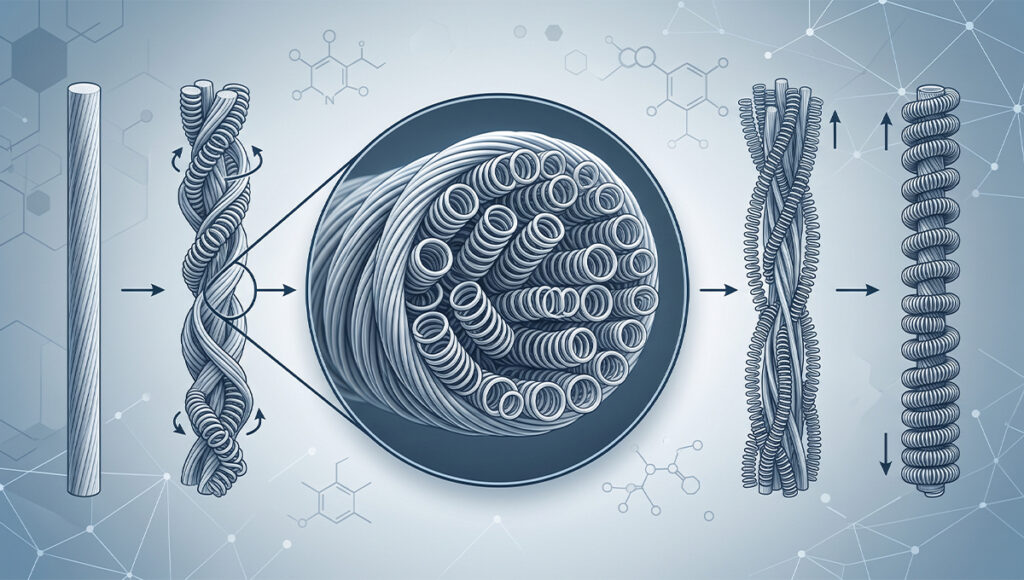
Can it be stretchy without adding spandex? Yes. Manufacturers can tightly twist the polyester yarns and apply a special heat treatment, which makes the fibers act like microscopic springs.
When you pull the fabric, these “springs” expand; when you let go, they bounce right back. This technique maintains the extreme durability of 100% pure polyester while providing the garment with a comfortable level of flexibility for everyda movement.
How to identify stretchy and non-stretch polyester fabrics?
Polyester can be made stretchy or non-stretchy depending on its composition, construction, and treatment. Here are the key factors that affect the elasticity of polyester fabric:
Examine the label
The fiber content and care recommendations for most polyester fabrics are listed on the label. Look for textiles that have a polyester/spandex/elastane combination. These textiles have the potential to be stretchable.
Do a stretch test
If the label does not provide enough information, you can perform a simple stretch test to establish the elasticity of the fabric. Gently stretch the fabric while holding the ends. It is likely elastic if it stretches readily and returns to its former shape. It’s most likely inelastic if it doesn’t stretch or feels rigid.
Consider weaving or knitting
As previously stated, weaving or knitting patterns might provide information on the flexibility of the cloth. Rib knits, double jersey, and jersey are more stretchy, whilst plain and twill are less so.
Which fabric is better to print on: polyester or natural ones?
Whether to print on polyester or natural fabrics is determined by the project’s individual needs and preferences. Polyester is an excellent material for performance clothing and designs that demand brilliant, long-lasting color. Natural materials are ideal for soft, pleasant wear and designs that demand a more natural and organic appearance.
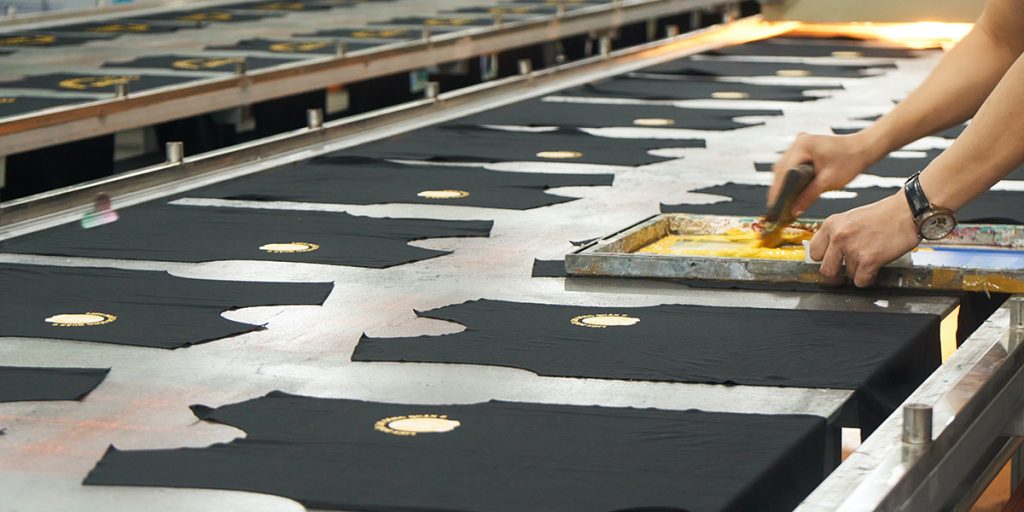
Polyester is a popular material for sportswear, outdoor clothing, and other high-performance clothing. Polyester printing processes include dye sublimation printing, screen printing, and direct-to-garment printing. Dye-sublimation printing is particularly popular on polyester because it creates brilliant colors and precise details that are long-lasting and resistant to fading, and it is the principal printing technology used by the majority of apparel producers.Cotton, silk, and linen are natural materials noted for their softness, breathability, and comfort (Are Cotton T-shirts Appropriate for All-over-Print). This is frequently the primary choice for casual apparel, home decor, and other applications requiring a more relaxed and organic appearance. Natural fabrics can be printed using a variety of techniques such as screen printing, woodblock printing, and digital printing. However, the results may not be as brilliant or long-lasting as those produced by polyester, particularly if printed using water-based inks.
How to care for stretchy polyester clothes

If you have a perfectly fitting stretchy polyester blend, proper care can significantly extend its life and keep the fabric from losing its shape.
Stick to cold water: The spandex in the blend is highly sensitive to heat. Hot water breaks down the spandex fibers, causing the garment to lose its elasticity and stretch out over time.
Skip the fabric softener: Softeners leave a waxy residue on the fibers. This ruins polyester’s natural moisture-wicking properties and weakens the fabric’s stretch.
Tumble dry on low or lay flat to dry: It’s highly recommended to use your dryer’s low-heat setting or simply lay the garment flat to air dry. High heat can make the fibers brittle and lead to minor shrinkage.
Related article: Does Polyester Shrink?
Conclusion
Polyester is a popular apparel fabric known for its durability and easy care. While polyester isn’t generally known for being stretchy, it can be made stretchy by blending it with other fibers like spandex or elastane.
Don’t forget that JetPrint is an excellent alternative for high-quality print on demand clothing fabrics. JetPrint provides a diverse choice of fabric and printing possibilities, making it simple to create personalized garment designs that are both fashionable and functional.
Related article: Is Polyester Breathable?
0 Comments