What is sublimation printing?
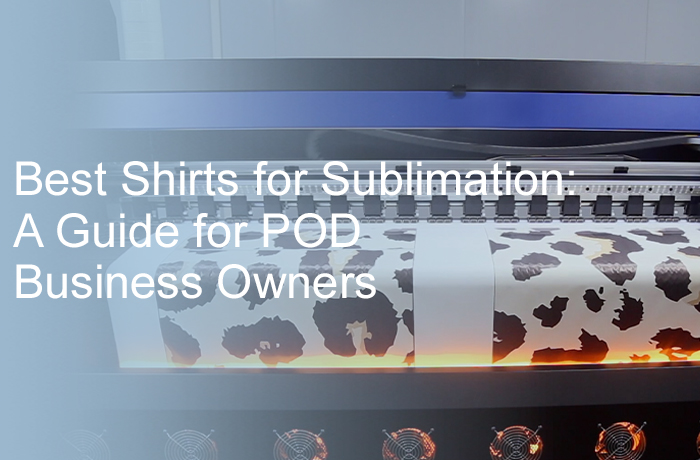
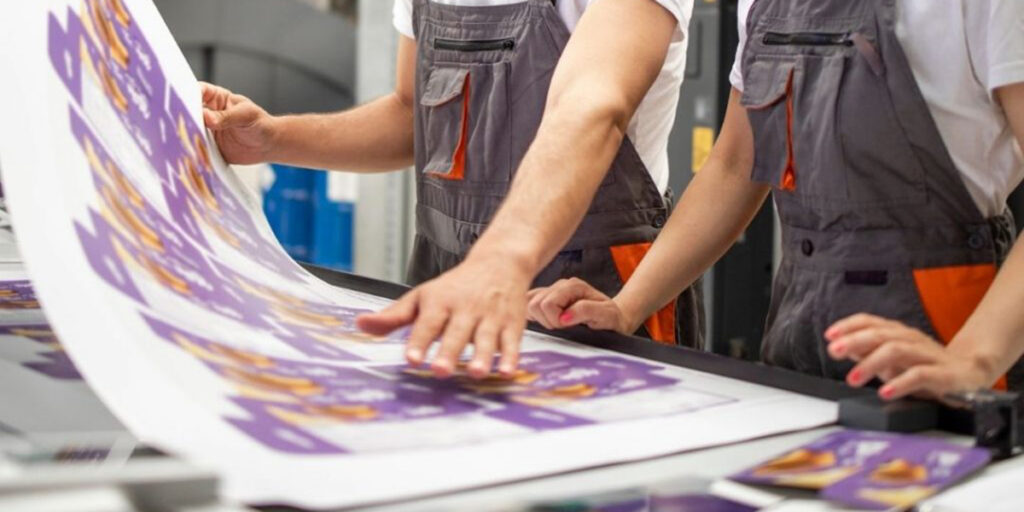
Sublimation printing is a method of transferring dye to materials such as polyester, cotton polyester blends, and other synthetic fabrics by using heat and pressure. The dye is first printed on transfer paper before being applied to the cloth. When heat and pressure are given to the dye, it sublimates, or transforms into a gas, and then fuses with the substrate, resulting in a permanent and brilliant image.
Why does the fabric matter so much in sublimation?
Sublimation is essentially a chemical process. Under high heat and pressure, sublimation ink turns into a gas and bonds exclusively with polyester fibers or polymer coatings. This means natural fibers, like 100% cotton, simply can’t hold onto the ink. If you try to force a sublimation print onto a pure cotton tee, it might look decent right off the press, but the colors will disastrously fade after just one wash.
Ultimately, the polyester count dictates how vibrant and long-lasting your print will be. Additionally, because sublimation ink is translucent and does not print in white, light-colored shirts—especially pure white ones—serve as the best canvas for showcasing your original design.
The 4 core criteria for evaluating the best sublimation shirts
When reviewing a t-shirt to see if it’s a good fit for sublimation printing, we evaluate it based on four key metrics:
Color vibrancy: How much does the transferred design pop? And just as importantly, does it fade after a trip through the wash?
Feel & comfort: 100% polyester shirts can often have a slick, “activewear” feel that not everyone loves. The best sublimation shirts should deliver vivid colors while mimicking the soft feel of natural cotton as closely as possible.
Fit & care: How does the shirt hold up after going through the washer and dryer? We specifically look out for any shrinking, or losing shape.
Paper indents (press marks): Under the intense, prolonged heat of a heat press, many thin polyester tees are notorious for holding onto stubborn press marks or indents left behind by the edges of the transfer paper.
Popular types of sublimation t-shirts on the market
Based on the criteria above, we’ve broken down the mainstream options into three main categories to help you find the perfect match for your project.
1. 100% polyester t-shirts
If you’re after maximum color saturation and crisp resolution, 100% polyester is the way to go. Take the Gildan 42000 Series, for example. These shirts are typically moisture-wicking and feature a 100% ink absorption rate, resulting in incredibly vibrant colors. They hold up great in the wash and practically never shrink. The downside? They are highly prone to showing harsh press lines from the transfer paper during the heat press process.
2. Heavyweight cotton-feel poly blends
Specialty blends with a high polyester count (such as 95% polyester and 5% spandex) are widely considered the best all-around choice. They offer an ultra-soft touch that will totally fool you into thinking it’s cotton. The thicker fabric perfectly solves the headache of leaving heat press marks behind. The colors stay locked in wash after wash, and the shirt actually gets even softer over time.
3. 65% polyester blends
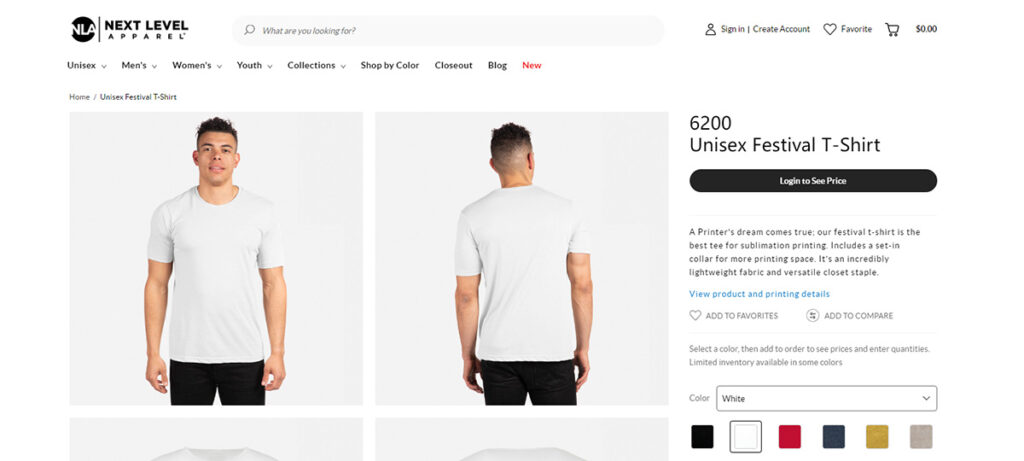 For everyday apparel, many designers lean toward trendy cuts and premium softness. Shirts like the Next Level 6200 Festival T-Shirt have an amazing hand feel and a retail-ready fit, making them far more comfortable for daily wear than pure polyester. Because the remaining 35% cotton content won’t absorb sublimation ink, your transferred designs will naturally take on a cool, vintage, distressed, or watercolor look.
Conclusion
If your top priorities are vibrant colors and zero press marks:
We highly recommend faux-cotton t-shirts made of 95% polyester. They are currently the best blanks on the market for combining brilliant color payoff with a flawless printing experience.
If your target audience cares more about comfort and a vintage streetwear vibe:
Go with a 65% polyester blend t-shirt. This blend delivers a super comfortable fit along with a uniquely retro, faded print effect.
If you’re a business owner looking for the perfect t-shirts for sublimation printing—but you lack the budget for bulk inventory and expensive equipment—consider partnering with a print-on-demand supplier that offers your ideal fabric blends. Not only do they give you plenty of room for trial and error, but they also reduce your upfront financial risk to practically zero.
FAQ
Is it possible to put sublimation prints on dark shirts?
Yes, although I wouldn’t advocate using this design on dark shirts; dye sublimation prints work best on white or light colored shirts.
Is special equipment required for sublimation printing?
Yes, a heat press machine, sublimation ink, and transfer paper are required.
Can I create custom designs with sublimation printing?
Yes, dye sublimation printing is a great way to print custom designs on demand. Simultaneously, you can use JetPrint’s free design tool to help you create shirts.
Will the color of sublimation ink fade over time?
No, the sublimation ink interacts with the polyester fibers in the fabric to produce a vibrant, long-lasting print.
Can I print on cotton shirts with sublimation?
No, sublimation printing is only suitable for surfaces made of 65% polyester or higher.
0 Comments