Is Dropshipping Worth It? (2026) Why the “Old Way” is Dead

Let’s get straight to the point: if your idea of dropshipping is still blindly scraping cheap, generic products from AliExpress and burning through hundreds or thousands of dollars a day on Facebook ads hoping to get lucky—then yeah, that old playbook is completely dead.
But if you look at it from a different angle—treating dropshipping simply as a low-risk fulfillment method to build a truly data-backed independent store that commands a brand premium—then it remains a highly lucrative business in 2026. Just look at the market projections: the global dropshipping market was expected to hit $537.87 billion in 2025, and its compound annual growth rate from 2026 to 2035 remains incredibly impressive.
It’s just that the lazy “copy-and-paste” sellers are no longer getting a slice of this massive pie. Today, all the money is flowing to entrepreneurs who actually understand brand building, obsess over product quality, and know how to execute highly targeted marketing campaigns.
If you’re still on the fence about whether it’s too late to get in the game, I’m going to break down the most realistic profit margins for 2026, call out the biggest pitfalls in the industry right now, and share the exact breakout strategies that will actually make you money.
Contents 8 sections
Current e-commerce landscape: The crushing dominance of Temu and Shein
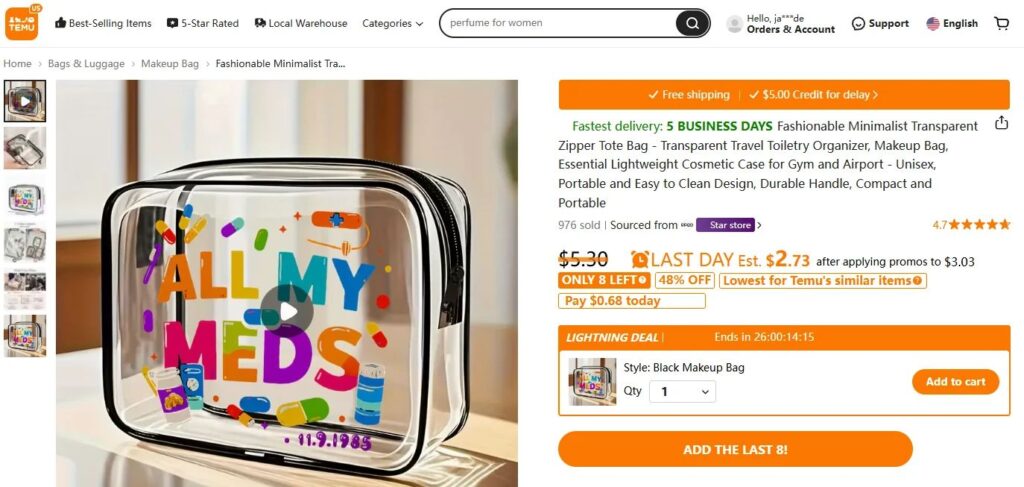
The biggest shift in e-commerce over the last few years has definitely been the global takeover of ultra-discount mega-platforms like Temu and Shein. Consumers are now totally used to paying factory-direct prices for basic apparel and everyday goods straight from Chinese manufacturers.
This tells us one thing: if you’re running an independent store, competing on price is a dead end. Think about it—if you’re selling a basic clear makeup bag on your site for $25, and the exact same item is sitting on Temu for $3, how do you even compete? For purely functional products like that, people just want something to hold their stuff; they aren’t going to overpay.
So, if dropshippers want to survive and actually turn a profit in 2026, they have to pivot to value-driven e-commerce. Put simply, you need to sell products that can’t be easily price-compared. We’re talking about niche merchandise geared toward 80s and 90s retro arcade fans, or products that highlight eco-friendly materials. Of course, the ultimate ace up your sleeve right now is custom and personalized products—specifically print-on-demand. That’s the real way to escape the race to the bottom.
Pros and cons of dropshipping

Before you put any real money on the line, you need a crystal-clear understanding of how this business model actually works.
| Pros (Why it’s still worth doing) | Cons (The hurdles you must overcome) |
| Zero inventory risk: Customers pay you first, and only then do you pay the supplier to ship it. There’s virtually no pressure to tie up upfront cash in stock. | Insane competition: The barrier to entry is practically zero, meaning you’re fighting for your lunch against countless sellers globally. |
| Total location independence: As long as you have a laptop, you can manage your global orders and run your business from anywhere in the world. | Skyrocketing traffic costs: Ad costs on Google, Meta, and TikTok are getting ridiculously expensive. It all comes down to how good your video creatives and copywriting skills are now. |
| Dirt-cheap testing: You can rapidly test a dozen products in a month for next to nothing, allowing you to quickly jump on viral trends. | You’re at the mercy of your suppliers: If a supplier ships late or sends garbage, your store takes the heat and the refunds. Having rock-solid suppliers is literally a matter of life and death for your business. |
The real truth behind the dropshipping profit model
A lot of these “gurus” love to flash screenshots showing hundreds of thousands or millions in revenue, but you can never really verify if they’re real. Years ago, I ran into one of these so-called “marketing masters.” He sent me an email attached with a Shopify dashboard screenshot. It proudly displayed over $20,000 in sales, but when I looked closer, there were only a dozen or so orders—which meant the average order value was over $1,000.
I asked for the link to his store, and it turned out to be an apparel site where the most expensive item was only $63, and he wasn’t running any ads. That set off alarm bells for me. I asked him how his AOV could possibly be that high, and he brushed me off, claiming it was because they were all repeat customers. Anyone with an ounce of common sense knows that’s absurd. I called him out directly: your site traffic doesn’t even come close to backing up the sales numbers in your screenshot. The result? The guy just ghosted me and never replied again.
At the end of the day, dropshipping is a margin game. Let’s run the numbers and compare the real profit gap in 2026 between selling generic white-label products versus personalized POD items.
| Cost & profit breakdown | Selling a generic item | Selling a custom pod item (e.G., custom sneakers) |
| Retail price | $35.99 | $79.99 |
| Product / sourcing cost | -$15.00 | -$35.00 |
| Ad cost | -$15.00 | -$20.00 |
| Payment gateway fee (~3%) | -$0.90 | -$2.40 |
| Net profit per order | $5.09 (14% net margin) | $22.59 (28% net margin) |
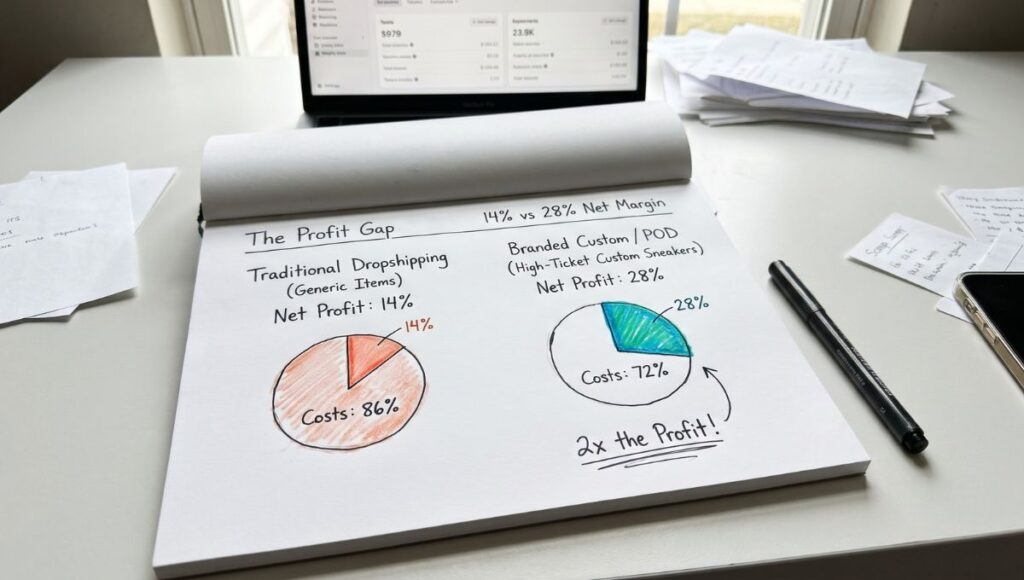
If you sell low-ticket generic items, you have to push massive volume just to make a living, and your profits can easily get eaten alive by ad spend. But if you pivot to high-ticket, personalized products (like custom sneakers where customers upload their own designs, or custom vegan leather bags), you give yourself plenty of breathing room with your gross margins. Not only does this help you absorb the ever-increasing cost of ads, but it’s the only way to actually put real money in your pocket.
“Branded customization” is the only real way forward right now
Today’s shoppers can find mass-produced, generic products just about anywhere online. So how do you get them to stick with you? Your only real moat is being “one of a kind.” That’s exactly why print-on-demand and custom dropshipping have blown up over the last few years.
When you partner with a professional custom supplier like JetPrint, you aren’t just selling another basic pair of shoes. You’re selling a meaningful keepsake featuring a customer’s own Golden Retriever, or an exclusive piece created by your own designer.
The advantages of this model are pretty straightforward:
Higher profit margins: Consumers have a huge soft spot for anything “custom-made.” They are more than happy to pay a premium price for that level of exclusivity.
Say goodbye to price wars: Even if a buyer tries to reverse-image-search your item on AliExpress or other platforms, they simply won’t find a cheaper alternative. Since your design is 100% exclusive, you completely bypass the race to the bottom with your competitors.
Building brand loyalty and repeat sales: As long as your custom products deliver on quality, buyers will actually remember your brand name. Not only does this bring in free repeat business from past customers, but they’ll also naturally recommend you to their friends and family.
5 keys to building a profitable dropshipping store
Pick a niche with raving fans: The general store model is dead. Target groups with intense, specific obsessions (like owners of a rare dog breed or die-hard retro gamers). These audiences are way easier to target with ads, and they’re much more willing to open their wallets for custom merch.
Lock down a rock-solid supplier: Stop hunting for the absolute lowest price on the internet. You need a long-term partner with reliable shipping, seamless system integration, and high-quality products. If you’re going the print-on-demand route, a platform like JetPrint—which offers embroidery, custom sneakers, and vegan leather bags—is your best bet.
Build a store that actually looks legit: Your site can’t look like a fly-by-night scam. Invest in a premium theme, write killer product descriptions (focus on emotional pain points, not just cold specs), and make sure your shipping and return policies are crystal clear.
Go all-in on short-form video: If you’re working with a tight budget, this is non-negotiable. Organic traffic from TikTok, Instagram Reels, and YouTube Shorts is the biggest goldmine right now. If you can shoot short videos that highlight your product’s unique features and have viral potential, you can rake in massive amounts of free exposure.
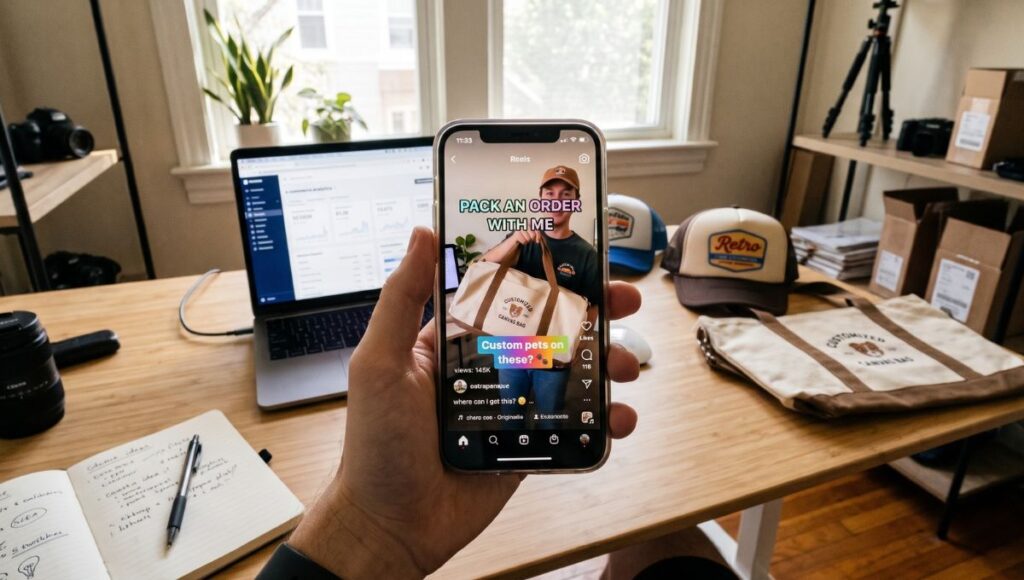
Maximize retention and repeat purchases: The sellers making the real quiet money get their profit margins from a customer’s second and third orders. Set up your automated email and SMS marketing flows so that whenever a holiday rolls around, you can reactivate past buyers with fresh designs.
If you want a complete, step-by-step guide on how to build a dropshipping business from scratch, I highly recommend checking out this article: How to Start a Dropshipping Business
How to choose the right dropshipping platform
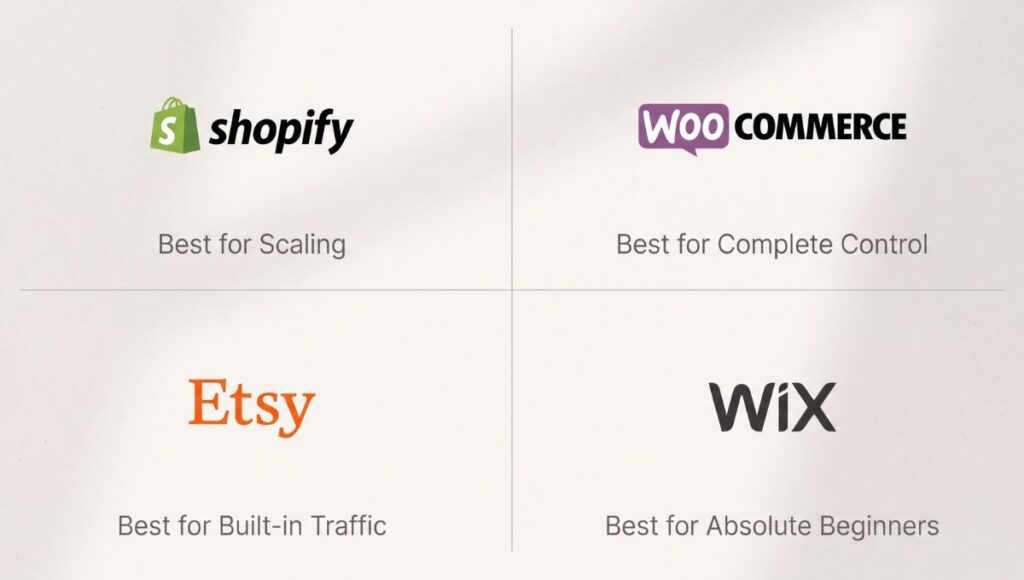
Picking the right platform is step one in e-commerce. It directly dictates whether running your store and fulfilling orders every day is going to drive you crazy.
Shopify is pretty much the top dog when it comes to standalone stores. Its app ecosystem is incredibly solid—almost any dropshipping tool you can think of, like JetPrint or Printify, connects with just one click. Plus, their checkout conversion rates are seriously high. If your goal is to scale up your business, going with Shopify is an absolute no-brainer.
WooCommerce, on the other hand, isn’t for everyone. If you’re already using WordPress, know a little coding, want complete ownership of your site, and want to ditch those monthly platform fees, it’s a great fit. Fair warning, though: day-to-day maintenance and troubleshooting down the road can be a massive time sink.
As for Etsy, if you’re planning to go the POD and custom route, I highly recommend opening a shop there. The biggest perk of this platform is the built-in, highly targeted traffic—buyers come here specifically looking for unique, handmade, or customized gifts. Just don’t cross the line: Etsy cracks down hard on traditional, generic dropshipping.
Wix is all about being beginner-friendly. You can build a site just by dragging and dropping with zero coding skills required. However, once your order volume starts picking up, or you want to run more complex marketing setups on your site, you’ll find its backend a bit lacking. It’s just nowhere near as powerful or intuitive as Shopify.
Final thoughts
At the end of the day, dropshipping is still very much alive and well. There will always be people who make it work, though naturally, the number of people who fall flat will be much higher. But that by no means makes it a dead end—which perfectly explains why, if you scroll through forums or comment sections, you’ll always see way more naysayers trying to talk you out of it than people cheering you on.
On top of that, running any e-commerce business requires you to have capital ready. This goes beyond the basic day-to-day overhead like store hosting and software tools; the lion’s share of your budget will actually go toward ad spend. In this game, a great product is always king. But as for what defines “great,” that really depends on your specific niche—and ultimately, the market will give you its honest feedback in the form of actual orders.
Truth be told, the biggest value of dropshipping is that it gives you a low-cost opportunity to test the waters and validate your ideas. If your long-term goal is to build a legit brand, eventually, you are inevitably going to have to pivot toward building your own in-house product development and quality control teams.
FAQ
Can you really make money with dropshipping?
Yes, but it is absolutely not “easy money.” Top sellers can definitely push a single store’s monthly revenue past the $10K to $100K mark, but you need to be realistic: the actual net profit margin usually hovers right around 10% to 20%. How much you make entirely depends on your eye for spotting untapped products and your marketing chops.
Does dropshipping count as passive income?
To some extent, yes. The risk of testing things out is relatively low, and you can pull out your phone or laptop anywhere, anytime to check your store’s data. However, if you plan to make dropshipping your full-time gig, you still need to pour a ton of energy every day into monitoring metrics, optimizing all the little details, and dealing with any customer service issues that pop up along the way.
What are the most profitable niches in 2026?
Right now, the high-margin zones are mainly concentrated in these areas: eco-friendly consumer goods, pet accessories, and the gaming niche. We’ve actually put together a dedicated article on Profitable Print on Demand Niches covering this exact topic—highly recommend you click over and give it a read.
I'm a complete beginner. Is it too late to get into the game?
If you’re still thinking about copy-pasting the pre-2020 old-school playbook of “mass listing products and burning money on Facebook ads,” then yeah, it’s too late. But if beginners can shift their mindset, settle down to build a micro-brand, leverage short-form video platforms to drive organic traffic, and sell differentiated custom products, the success rate is still incredibly high. In today’s landscape, your energy is much better spent creating high-quality content to trigger platform algorithms and get more recommendations.
Ready to build your brand with JetPrint?

Submit a Comment