Both models allow you to sell online without the hassle of holding inventory or fulfilling orders yourself. However, with the rise of AI design tools, fluctuating global shipping costs, and a consumer shift toward “brand-first” shopping, the underlying dynamics of both models have fundamentally changed.
So, which model will actually help you build a sustainable and profitable business?
What exactly are they?
Before we dive into the data, let’s quickly define these two models:
What is Dropshipping?
You sell ready-made products manufactured by a third-party supplier. When a customer buys an item from your store, the supplier ships that exact product directly to them.
Related article: What is Dropshipping
What is Print on Demand?
This is a specialized form of dropshipping that focuses on blank or “white-label” products (like T-shirts, bags, or shoes). You apply your own artwork to these blank canvases, and the supplier only prints and ships the item with your unique design after a customer actually places an order.
Related article: What is Print on Demand
Why are they so popular?
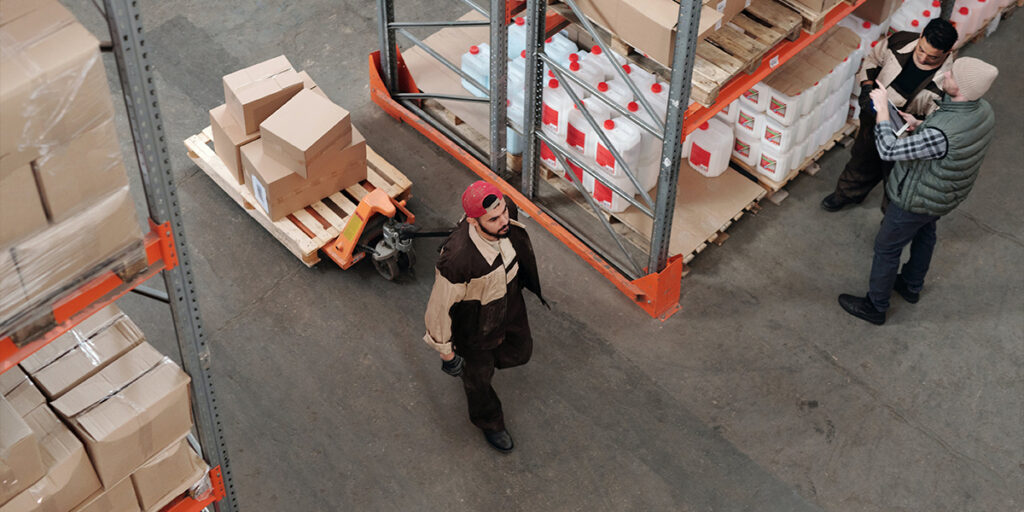
Both models are incredibly popular because they share a core foundation that minimizes startup risks:
Zero inventory risk: There’s no need to buy stock upfront. You only pay your supplier after you’ve successfully made a sale and collected the money.
Location independence: As long as you have a laptop or a tablet and an internet connection, you can run your store from anywhere in the world.
Ultra-low barrier to entry: Both models integrate seamlessly with major e-commerce platforms like Shopify, WooCommerce, Wix, and Etsy.
Outsourced fulfillment: Picking, packing, and shipping are entirely handled behind the scenes by your supplier, meaning you never have to deal with any of the physical heavy lifting.
Print on demand vs. dropshipping: the differences

While they might sound similar, these two business models are worlds apart when it comes to day-to-day operations and long-term business value. Here is a breakdown of the core differences:
1. Product customization and the ai revolution
Dropshipping: You are selling the exact same products as thousands of other sellers. If an item goes viral on TikTok, countless competitors will rush to AliExpress or dropshipping agents to source the exact same thing and undercut the market. It often feels like a race to the bottom on price and a competition to see whose ads can reach customers first.
Print on demand: You are selling 100% unique products.
Trend Alert: In the past, running a POD business required professional graphic design skills. Today, thanks to AI image generators like Midjourney and Gemini, anyone can generate stunning, commercial-grade illustrations in seconds. The barrier to entry for creating unique designs has effectively been slashed in half.
2. Profit margins: The real math
Let’s look at a hypothetical (but realistic) breakdown.
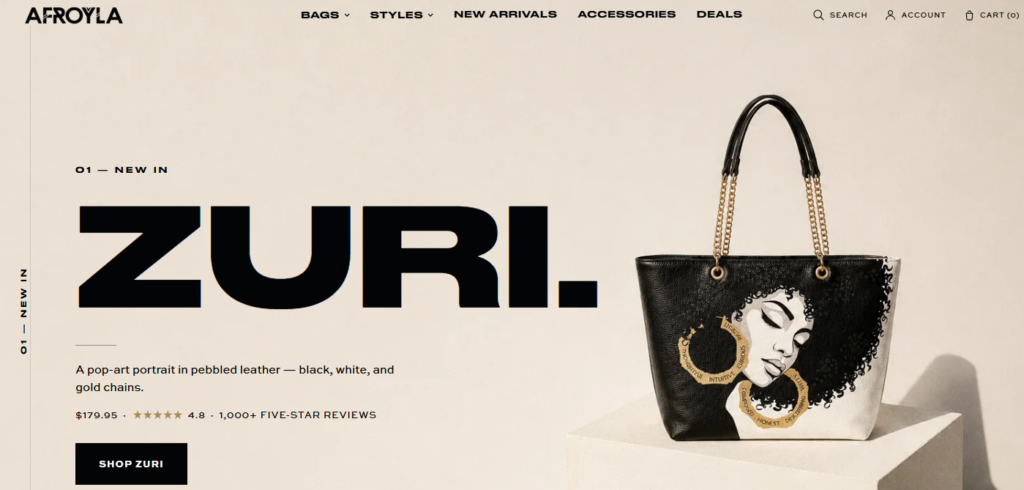
| Feature | Dropshipping (e.g., Flynova toy) | Print on Demand (e.g., Niche vegan leather bag) |
| Product cost | $14 | $27 |
| Selling price | $35 | $55 |
| Gross margin | $21 | $28 |
| The catch | Intense competition means most of that $21 will go toward Facebook or TikTok ads, resulting in a relatively low net profit margin (usually around 10%). | A unique design gives you pricing power. Organic traffic from niche communities (like Black women) lowers your ad spend, which typically pushes your net margins higher (around 20%). |
Dropshipping often triggers “price wars” leading to a race to the bottom. POD allows for premium pricing because the customer cannot find your exact design anywhere else.
3. Shipping times and quality control
Dropshipping: This model typically relies on overseas suppliers. While logistics have improved in recent years, finding a reliable supplier with consistent quality and fast dispatch times still requires a lot of costly trial and error.
Print on demand: Because items are made to order, the production process adds about 1 to 3 days. For items with more complex manufacturing processes, like shoes or watches, production can take a couple of days longer than standard t-shirts. However, premium POD platforms have fulfillment centers all over the world. This localized shipping is often faster and much more reliable than traditional cross-border dropshipping. Keep in mind that this global fulfillment model primarily applies to items like canvas prints and apparel; asset-heavy products like footwear and sporting goods require large-scale machinery, making them much harder to produce locally across the globe.
4. Building a brand “moat”
If you want customers to still be willing to pay a premium for your products five years from now, this point is absolutely crucial:Dropshipping: You are essentially building a “general store.” Customers are buying into the novelty of the product itself, not your brand. This means the second someone else offers the exact same item for less, you lose those customers instantly.Print on demand: You are building real “brand equity.” You can customize neck labels, design unique packaging, and maintain a cohesive design aesthetic. Customers will keep coming back because they resonate with your brand identity. Right now, a massive number of POD sellers are creating their own unique IP characters. Much like Disney characters, these original designs attract dedicated fanbases and create a deep, lasting impact.
How to choose between dropshipping and print on demand?
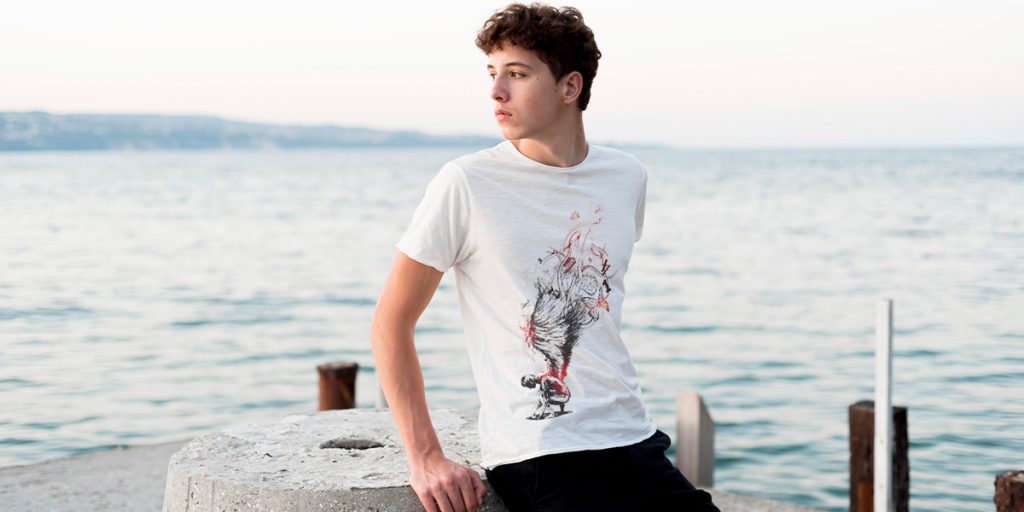
If you’re still on the fence, run through this quick checklist to find out:
Choose dropshipping if:
- You want to rapidly test a wide variety of unrelated trending products.
- You have strong paid advertising skills (Meta/TikTok Ads).
- You prioritize fast, short-term cash flow over building a recognizable brand.
Choose print on demand if:
- You want to build a loyal customer base and create a long-term brand moat.
- You have a good eye for design (or are willing to learn how to use AI image generators).
- You want higher repeat purchase rates and more control over your pricing.
- You’re an influencer with an existing audience or an artist looking to monetize your following.
Related article: How to Brand Dropshipping
Which path is right for you?
Scenario a: The trend surfer (best for dropshipping)
Bertoli Ann spends four hours a day scrolling through TikTok hunting for viral novelty products. He spots a trending Flynova toy. He quickly spins up a single-product Shopify store, pours a massive budget into TikTok ads, makes $10,000 in a month, and decisively shuts the store down to move on to the next product the second the trend cools off.
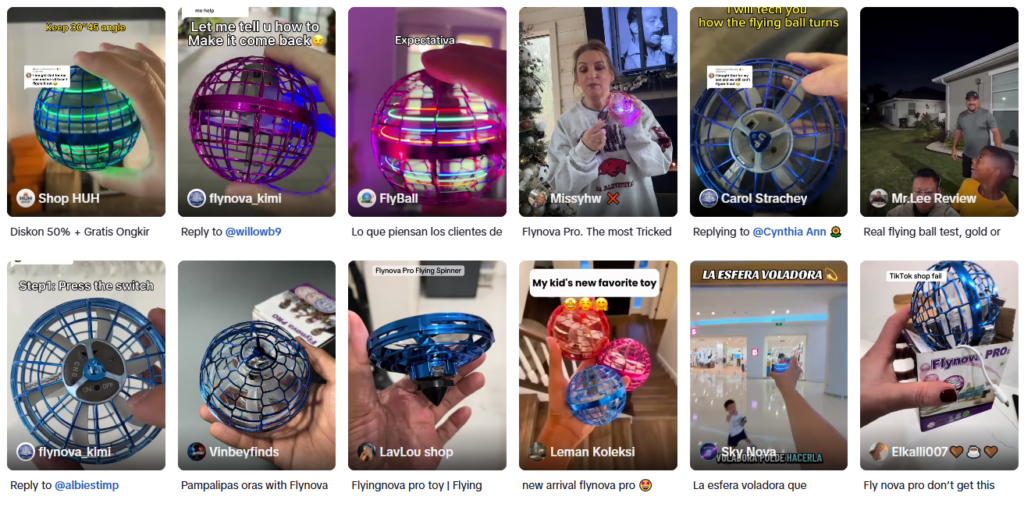
Conclusion: Dropshipping is perfect for aggressive marketers who love chasing short-term viral hits and know the ins and outs of Meta ad algorithms.
Keep in mind: Ad costs are typically steep. You also need to constantly monitor the Facebook Ad Library to see if competitors are running ads for the exact same products. Because the ad platform operates on a bidding system, your ad costs will inevitably shoot up as competition increases.
Scenario b: The community builder (best for print on demand)
Jia Comb, a JetPrint user since 2024, is absolutely obsessed with indoor house plants. She used to create her designs entirely by hand, often spending hours to finish a piece she was happy with. Now, she uses AI to generate minimalist botanical concepts in just a few minutes. She adds her final hand-drawn touches to the AI concepts and prints them on premium vegan leather bags and custom shoes provided by JetPrint. Along the way, she has built a loyal, highly targeted organic following on Etsy.
Conclusion: print on demand is the ultimate choice for creators, influencers, and entrepreneurs focused on building long-term brand loyalty.Keep in mind: When creating your designs, never use copyrighted or trademarked material, as this can easily lead to a lawsuit.
Elevate your POD business with JetPrint
If you’ve decided to build your brand through print on demand, choosing the right supply chain partner is the most critical step to your success.
At JetPrint, we do more than just print—we offer the branding tools you need to stand out:
700+ premium products: From basic tees to high-margin custom shoes, vegan leather bags, and premium embroidery.
Advanced brand customization: We offer custom shoe boxes and premium packaging services so your products look like they came straight from a high-end retail brand.
Seamless platform integrations: Sync perfectly with Shopify, WooCommerce, Wix, and Etsy for fully automated order fulfillment.
Ready to build a brand that stands the test of time? Start your print on demand journey with JetPrint for free today.
FAQ
Is the gold rush over for dropshipping and POD?
Absolutely not. However, the days of lazy, “copy-and-paste” dropshipping are definitely over. Today’s consumers expect faster shipping, better quality, and a stronger brand experience. As long as you treat it like a real business instead of a get-rich-quick scheme, there is still plenty of profit to be made in both models.
Which model requires more startup capital?
Both have very low hard startup costs (basically just a domain name and a monthly Shopify subscription). However, traditional dropshipping usually requires a higher ad budget to constantly test products. On the flip side, because POD products are unique, you might have to pay subscription fees for design apps, but you can often drive low-cost organic traffic through social media (Instagram/TikTok) or platforms like Etsy.
How do you handle returns and exchanges with these models?
With dropshipping, if a product has a quality issue, you can usually negotiate a refund with your supplier. With POD, since products are custom-made to order, platforms typically only offer replacements or refunds for printing errors or damaged goods. They usually won’t accept returns for “buyer’s remorse” (when a customer simply changes their mind). Because of this, make sure your return policy is clearly stated on your website!
Can I use both models together?
Absolutely. Many e-commerce sellers use a hybrid approach. They use POD for their core branded merchandise and use dropshipping to supplement with related accessories (like generic sunglasses or necklaces) to boost their AOV. However, this approach isn’t as clear-cut and can blur your store’s brand positioning. Plus, dropshipped items often ship quickly while POD products take longer, which can result in split shipments and leave customers confused.
0 Comments