
If you’re reading this, chances are you’ve experienced or heard the latest chatter about Redbubble. You might be an independent artist, a designer, or simply a creative thinker looking to start a side hustle. Between the introduction of Redbubble’s account tier fees and increasing market saturation, many creators like you are actively searching for the best Redbubble alternatives to protect their profit margins. Standard accounts have seen their fee structure shift from zero to a tiered flat fee (35%–40%) to what is now effectively a 50% cut.
Furthermore, standard accounts lack priority access to the fan art program. Yet, as with any online business, newcomers make up the vast majority of the user base. In the print-on-demand space, if you look at the tier breakdowns, the reality is that sellers bringing in zero monthly income constitute the majority.
However, our focus today is exploring Redbubble alternatives. Whether you are looking for another marketplace with built-in organic traffic or getting ready to build your own independent brand, this guide breaks down the top 11 options currently on the market.
The 11 best Redbubble alternatives: A comprehensive comparison
| Platform | Business model | Profit control | Entry fee | Best for/niche |
| JetPrint | Fulfillment service | 100% (You set the retail price) | Free | High-margin & unique products (shoes, watches, etc.) |
| Printify | Fulfillment service | 100% (You set the retail price) | Free | Extensive product catalog |
| Displate | Marketplace | Fixed commission ($4.50/M, $9.00/L, $14.50/XL) | Free (Portfolio review required) | Metal posters, gaming & anime creators |
| TeePublic | Marketplace | Fixed commission ($4 standard tee, $2 during site sales) | Free | Fast uploads, pop culture & humor designs |
| Society6 | Marketplace | Fixed commission (5% or 10%) | Free (Manual review required) | Aesthetic, bohemian & fine art home decor |
| Zazzle | Marketplace | Custom royalty rate (5% to 99%) | Free | Fully personalizable products, gifts & stationery |
| Threadless | Marketplace / artist shops | Shop: You set price (5% fee) / Marketplace: Flat 10% profit | Free | Creators needing a standalone shop URL & pricing control |
| Teespring (Spring) | Social commerce | Base cost + your custom markup | Free | Influencers & content creators with existing traffic |
| Fine Art America | Marketplace | Base cost + your custom markup | Free (25 uploads limit) / $30/year premium | Traditional painters, photographers & museum-quality wall art |
| CafePress | Marketplace | Fixed royalty (flat 5% of sale price) | Free | Text-based designs, funny memes & low-barrier entry |
| Merch by Amazon | Marketplace | You set price (Amazon takes flat 15% cut) | Free (Waitlist/tier system, limited to 10 designs initially) | Sellers seeking massive organic traffic & Prime shipping |
Part 1: Leveling up your business (print-on-demand fulfillment providers)
If you want to escape the race-to-the-bottom pricing and steep commission fees of crowded marketplaces, the fulfillment model is definitely the way to go. By building your store on Shopify, Etsy, or WooCommerce and connecting it to a POD supplier, you not only keep 100% of your profits but also truly own your customer data. If you’re new to how this works, I highly recommend reading What is Print-on-Demand? first to understand the specific differences between these models.
1. JetPrint
(Best for High-Margin & Unique Products)
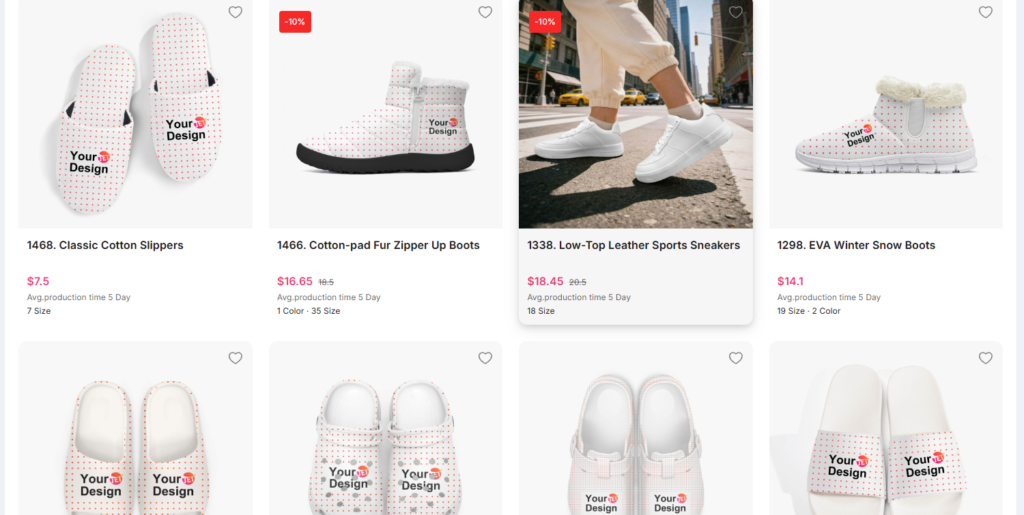
It is hard to make a full-time living earning two bucks a pop on stickers and basic tees, which is exactly why JetPrint exists—it is built for high-ticket items. It integrates seamlessly with major e-commerce platforms like Shopify, Etsy, WooCommerce, and Wix.
Core products: Custom sneakers, quartz watches, AOP (all-over print) vegan leather bags, and custom footballs.
Profit model: You only pay JetPrint the base cost (product + shipping) when a customer places an order. You set your own retail prices. (For example: A custom shoe costs $30 to make, and you sell it for $65 = $35 net profit).
Pros:
- Zero platform fees; you keep all the profits.
- Offers high-margin, niche products with less competition (like shoes and watches).
- Free custom branding (you can add your brand’s logo to the packaging).
Potential cons: You have to drive your own traffic to your website or store (via social media, paid ads, or SEO)
2. Printify
(Best for an extensive product catalog)
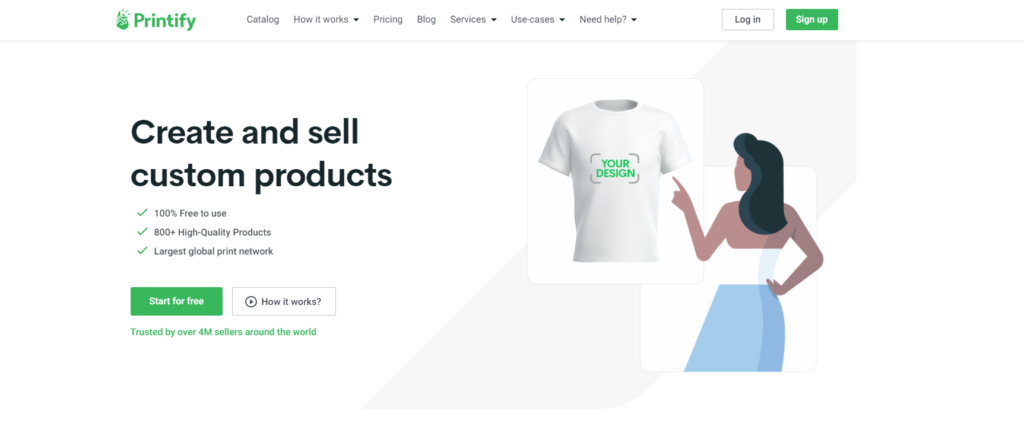
Printify is an absolute heavyweight in the POD space. It operates as a fulfillment network, connecting creators with professional print shops all over the world. Thanks to its massive product selection and intuitive design tools, Printify has long been Redbubble’s biggest rival.
Core products: Apparel, mugs, and home decor.
Profit model: You keep 100% of the profits and set your own retail prices.
Pros: Features over 1,300 different products; customer support is extremely responsive.
Potential cons: You are responsible for driving your own traffic. Because it relies on a vast network of third-party vendors, product quality and shipping times can vary greatly depending on which specific print provider you choose.
Part 2: Top print-on-demand marketplaces (direct alternatives to redbubble)
If you prefer a “set it and forget it” model where the platform handles marketing, customer service, and traffic, these marketplaces are the most direct alternatives to Redbubble.
3. Displate
(Best for metal posters and gaming/anime creators)
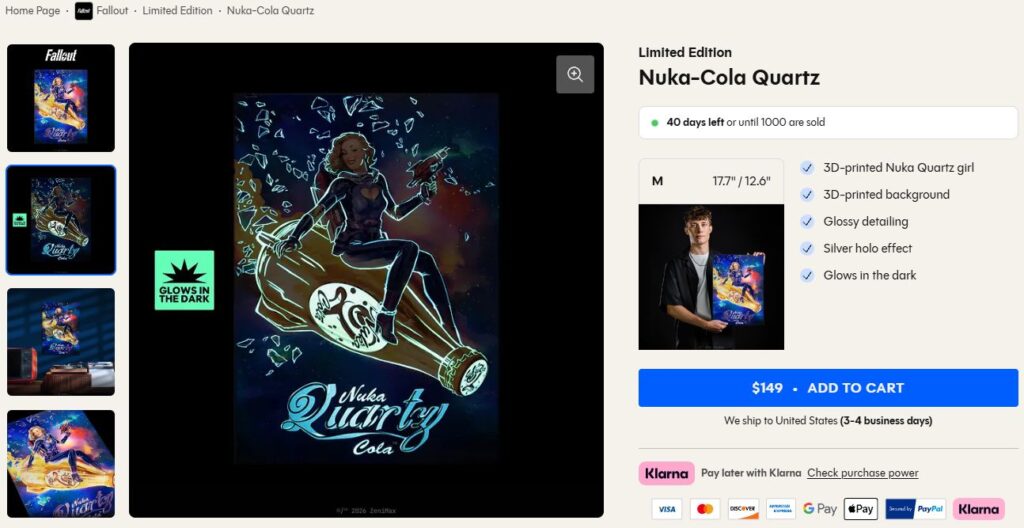
If your art focuses on pop culture themes like gaming, anime, or cyberpunk, Displate offers huge monetization potential. The platform revolves around a single core product: high-quality, magnet-mounted metal posters that require no drilling. This damage-free setup is a massive hit with younger demographics.
Core product: Magnetic metal posters (available in matte, gloss, and glow-in-the-dark finishes).
Profit model: You earn a fixed commission for every poster sold, which scales based on the size (Medium, Large, or Extra Large). Artist commissions are typically $4.50 (M), $9.00 (L), or $14.50 (XL) per sale.
Pros:
- They have official licensing partnerships with major franchises like Star Wars and Marvel, making the product highly appealing.
- Extremely high perceived product value.
- A massive, highly targeted user base of geeks and gamers who love decorating their gaming setups.
Potential cons: It is not an open-registration platform. You have to submit a portfolio and get approved to become a Displate artist.
4. TeePublic
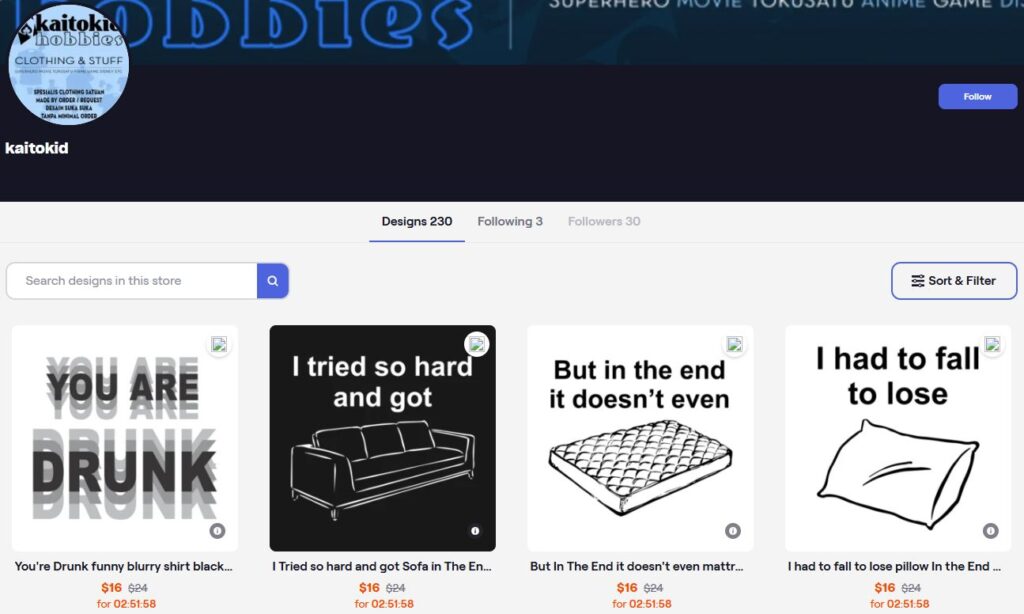
Owned by Redbubble but operating independently, TeePublic is the most user-friendly alternative. The upload process is incredibly fast, allowing you to publish dozens of designs in just a few minutes.
Core products: Apparel, home decor, and accessories.
Profit model: Fixed-rate commissions. You earn $4 on a standard t-shirt, which drops to $2 during site-wide sales.
Pros: A massive built-in audience for pop culture and humor designs; an extremely intuitive interface.
Potential cons: You have no control over product pricing or promotions, and profit margins are strictly capped.
5. Society6

Society6 is the go-to platform for aesthetic, bohemian, and fine art designs. It attracts a premium customer base shopping for art-focused home decor.
Core products: Wall art, tapestries, and bed/bath linens.
Profit model: Artists receive a fixed 5% or 10% commission, and shipping costs are not deducted from your account.
Pros: Premium product quality and an excellent reputation among art enthusiasts.
Potential cons: New seller applications and all subsequent design uploads must be manually reviewed and approved by their official team.
6. Zazzle
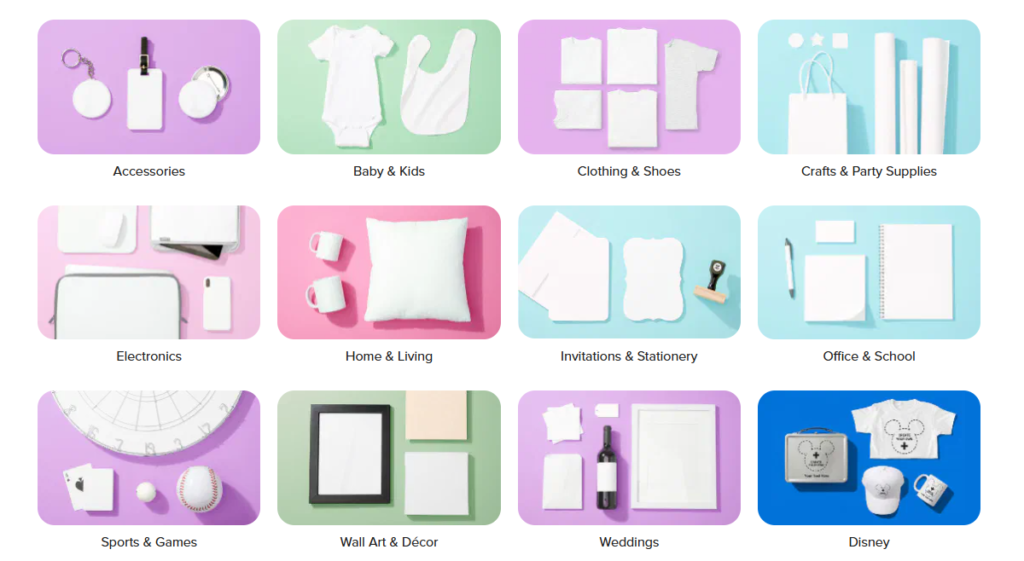
Zazzle stands out with its powerful customization engine. Customers can add their own names, photos, or text to your designs before checking out.
Core products: Wedding invitations, business cards, greeting cards, and party supplies.
Profit model: You can set your own royalty rate (from 5% to 99%). The maximum royalty rate for physical products is 50%.
Pros: Allows buyers to fully personalize items based on your original designs.Potential cons: If Zazzle discounts your product, the commission you receive will be lower than the royalty rate you initially set. Additionally, if you run paid ads through Zazzle and someone buys through your affiliate link, Zazzle will take a 35% to 50% cut from your total royalties.
7. Threadless

Originally a design competition website, Threadless has evolved into a robust print-on-demand marketplace that lets creators open their own “Artist Shops.”
Core products: Apparel, drinkware, and wall art.
Profit model: There are two options. If you open a personal shop, you control the pricing and Threadless takes a 5% cut of the retail price. If you sell directly on the Threadless marketplace, your profit is a flat 10% of the sale price.
Pros: Complete control over pricing; you get a clean, customizable, standalone shop URL.
Potential cons: While the platform gets some organic traffic, you still heavily rely on promoting your shop link to your own audience.
8. Teespring (Spring)
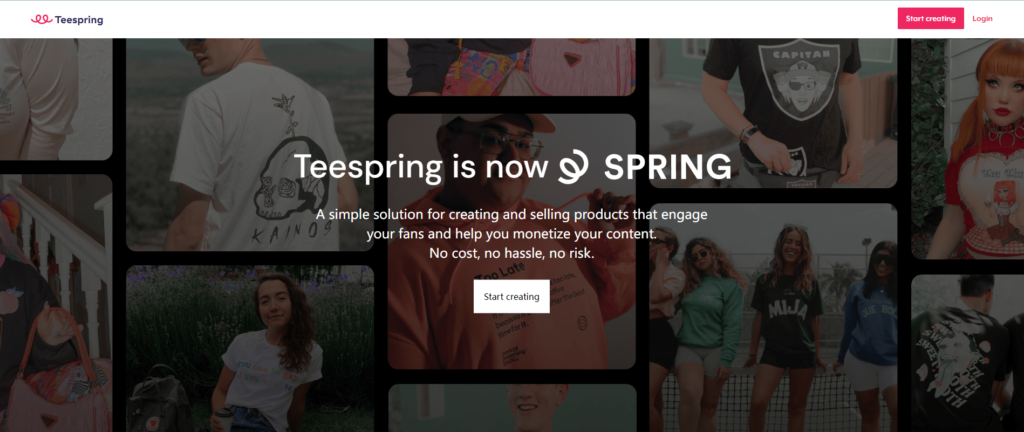
Spring is built specifically for influencers and content creators, featuring deep, direct integrations with YouTube, TikTok, and Twitch.
Core products: Hoodies, hats, and stickers.
Profit model: You set your own prices. Spring only keeps the base cost of the items.
Pros: Seamless social media integration. If you have a YouTube channel, your merch appears right below your videos.
Potential cons: Spring provides almost no organic traffic. If you don’t already have an established following on social media, it’s incredibly hard to make a sale here.
9. Fine Art America

If you’re a traditional painter, photographer, or digital illustrator, Fine Art America is much more professional than Redbubble. This company focuses heavily on high-quality wall art.
Core products: Canvas prints, framed prints, home decor, and apparel.
Profit model: You set your own markup on top of their base price. Fine Art America only keeps the base cost of production.
Pros: Museum-quality canvas prints; integrates seamlessly with Shopify and BigCommerce.
Potential cons: Free accounts are limited to 25 uploads. To get unlimited uploads, you have to pay a $30 annual premium subscription fee.
10. CafePress

CafePress is one of the oldest POD platforms on the internet. Although newer, trendier competitors have eaten into its market share, it still maintains a loyal customer base.
Core products: Apparel, drinkware, and home decor.
Profit model: You earn a flat 5% royalty on the sale price.
Pros: The barrier to entry is extremely low, making it perfect for selling text-based or funny meme designs.
Potential cons: CafePress retains all control over pricing and discounts.
11. Merch by Amazon

If traffic is your ultimate goal, nothing beats Amazon. Merch by Amazon lets you sell your designs directly on the world’s largest e-commerce platform and take advantage of Prime shipping.
Core products: Basic apparel, PopSockets, and phone cases.
Profit model: You set the price, Amazon takes a flat 15% cut, and you keep the remaining profit.
Pros: Massive organic traffic and incredibly high conversion rates.
Potential cons: You have to apply and wait—sometimes for months—to get approved. Plus, you are restricted by a “tier system,” meaning you can only upload 10 designs when you first start out.
FAQ
Is Redbubble still worth it in 2026?
Which Redbubble alternatives offer the highest profit margins?
Can I sell the same design on Redbubble and other platforms at the same time?
Conclusion
Choosing the best Redbubble alternative depends entirely on your long-term business goals. If you want to simply upload your art and leverage built-in traffic, TeePublic or Amazon Merch on Demand are excellent choices, whereas high-end illustrators or gaming-style artists will find applying to Displate highly rewarding. However, if you are ready to treat your art as a real business, control your pricing, and keep 100% of the profits, launching an Etsy or Shopify store fulfilled by JetPrint is one of the smartest moves you can make this year.
Keep 100% of your profits with JetPrint
0 Comments